

 by
by Client entertainment can help build trust, but the venue matters. A gentleman’s club may feel like “relationship building” to some people. To others, it reads as crude, risky, or exclusionary — and it can put both sides in a bad spot.
Bottom line: Taking a client to a gentlemen’s club is a high-risk choice with limited upside. If you’re not sure how it will land, choose something else. Many clients prefer settings where conversation stays professional and comfortable for everyone.
What can go wrong taking a client to a gentlemen’s club?

It can damage your professional image
Even if everyone stays “on best behavior,” the setting can send a message you didn’t intend. Clients may question your judgment, your company’s culture, or whether you’ll treat them — and their colleagues — with respect.
It can create harassment and liability risk
Workplace harassment risk isn’t limited to the office. Employers can face legal exposure when harassment involves third parties, including customers or clients. If an employee is pressured to attend or feels uncomfortable, that can become an HR and legal problem fast.
It can violate company policy or compliance rules
Many organizations now tighten rules around gifts and entertainment, expense reporting, and reputational risk — especially in regulated industries. Some companies explicitly prohibit adult-entertainment venues for business events. If you submit the expense, expect scrutiny.
It can exclude people and strain relationships
Business is more diverse than it was 20 years ago. A venue that centers on sexualized entertainment can be alienating for clients and colleagues of any gender. It can also undercut your company’s public commitments to a respectful workplace. :contentReference[oaicite:2]{index=2}
A quick decision checklist
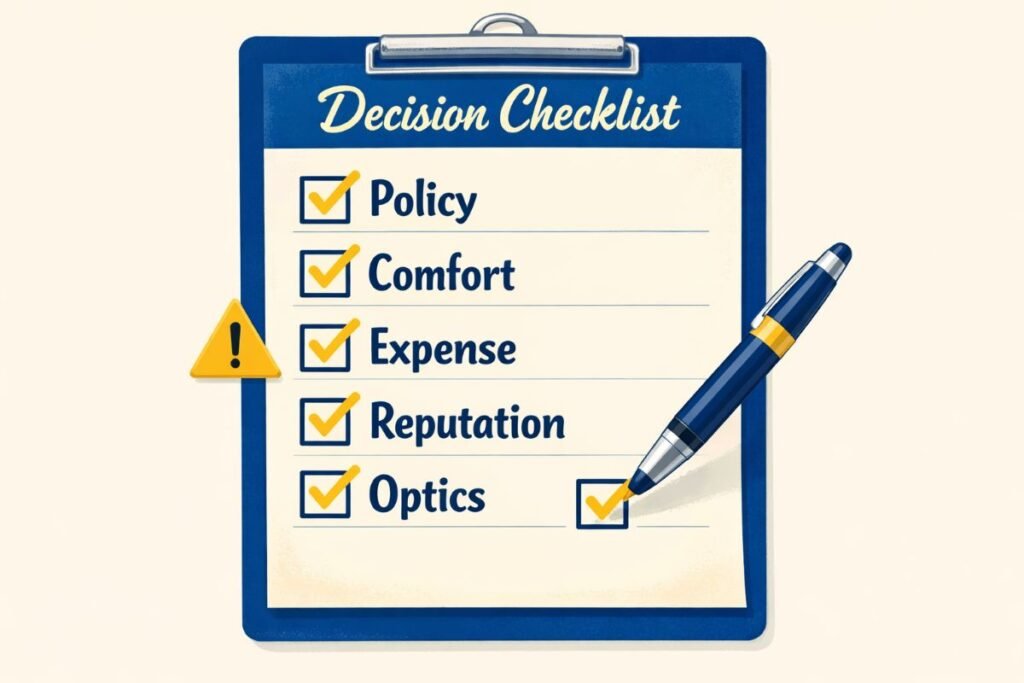
If you’re even considering it, run through these questions first:
- Is this venue allowed under your company’s client entertainment or expense policies?
- Would every person attending be comfortable saying “yes” with no pressure?
- Would you be fine if a photo or receipt became public?
- Are you entertaining a mixed group (or a client you don’t know well)? If yes, the risk goes up.
- Is there a better option that still achieves the goal (time together, conversation, trust)? There almost always is.
Better alternatives that still build relationships

A great meal in a quiet place
Choose a restaurant where you can talk without having to shout. Pick a place with strong service and a calm pace.
Tickets to a game or show
Sports, concerts, and theater can be fun without creating an HR problem. The shared experience gives you something to talk about afterward.
A short activity with a clear start and finish
Golf, a cooking class, a tasting room, or even a museum event can create a real connection — without turning the night into a judgment call.
A private meeting space, done well
For some relationships, the best move is a private room, a strong agenda, and a simple meal. It signals respect and keeps the focus on business.
Final take about taking a client to a gentlemen’s club

A gentlemen’s club is one of those choices that can cost more than it delivers. It can strain a client relationship, create HR exposure, and reflect poorly on your company’s culture. If you want long-term trust, pick an option that works for the widest range of people and keeps the focus on conversation and respect.
If you’re set on learning the social rules involved, read this first: Mastering Gentlemen’s Club Etiquette: A Guide.
Policy check: Before any client entertainment, review your company’s gifts-and-entertainment rules, expense policy, and code of conduct. Confirm local laws, venue rules, and whether the cost can be reimbursed. If anyone feels pressured to attend, stop and choose a different venue. When in doubt, get written approval from a manager or HR.
FAQs about taking a client to a gentlemen’s club
Can I expense a visit to a gentlemen’s club?
Sometimes, but that doesn’t mean you should. Many companies reject adult-entertainment expenses, and even if it’s technically allowed, it can raise audit questions and pose reputational risks. If reimbursement matters, get approval first — in writing.
What if the client suggests it?
Keep it simple and polite: suggest a different venue that still feels like a treat — a great steakhouse, a cocktail lounge, or tickets to an event. You can frame it as your company’s policy or your preference to keep business outings comfortable for everyone.
Is it ever appropriate with a long-time client?
A long history lowers the “unknowns,” but it doesn’t remove the risk. The main question is whether the choice could embarrass, exclude, or later lead to a complaint. A safer option usually builds the same goodwill without the downside.
How do I handle a mixed group or a client I don’t know well?
Don’t do it. Choose a setting that works across ages, genders, cultures, and comfort levels. If your goal is trust, pick an option that won’t force anyone to “go along to get along.