
 by
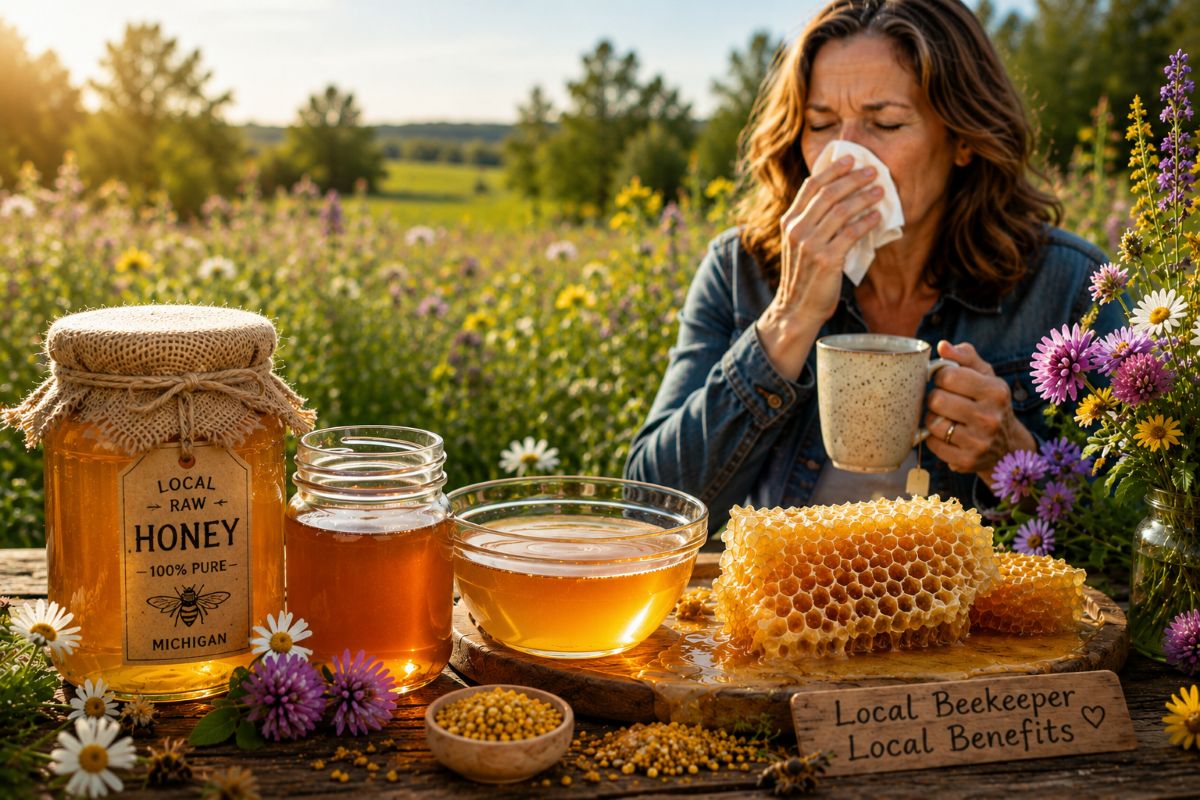
by Every spring, roadside farm stands, farmers markets, and local beekeepers across the Midwest hear the same question:
“Does local honey really help allergies?”
For generations, people have believed that eating small amounts of locally produced honey can reduce hay fever symptoms caused by seasonal pollen. The idea has become common home medicine lore in many rural communities, including across Michigan, where wildflower and clover honey are widely available.
Older residents often speak about taking a spoonful of honey each morning during allergy season. Some say it helped with sneezing, itchy eyes, congestion, and scratchy throats. Others believe raw honey provides broader wellness benefits tied to energy, sleep, and mental clarity.
But does modern science support those claims?
The answer is complicated.
Researchers say there is some biological logic behind the local honey theory, but strong clinical proof remains limited. At the same time, honey does contain compounds that researchers continue to study for possible health effects involving inflammation, antioxidants, and immune response.
Here is what scientists, allergists, and decades of folk medicine traditions say about local honey and seasonal allergies.
Why People Believe Local Honey Helps Allergies

The theory behind local honey is relatively simple.
Bees gather nectar and pollen from plants growing within a few miles of their hive. Supporters of the remedy believe consuming small amounts of local pollen through honey may help the body gradually adapt to environmental allergens.
The concept resembles how allergy immunotherapy works. Allergy shots expose patients to carefully controlled amounts of allergens over time to help reduce immune system overreaction.
Many people believe local honey works in a similar way, though on a much smaller scale.
The practice has deep roots in American folk medicine. Rural families often viewed honey as both food and medicine. Before modern allergy medications became widely available, home remedies involving honey, vinegar, herbs, and teas were common approaches for dealing with springtime respiratory issues.
Today, the belief remains widespread enough that “local raw honey for allergies” has become a major seasonal search trend online each year.
What Scientists Say About the Allergy Claim
Modern medical research offers mixed conclusions.
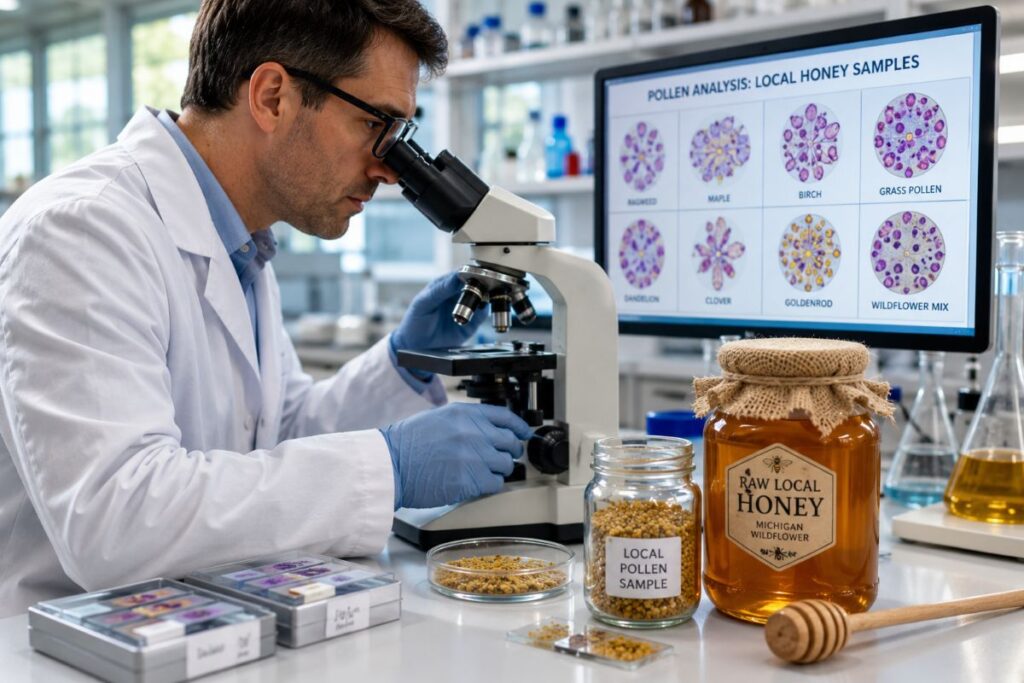
Some small studies suggest honey may help reduce allergy symptoms in certain people. A study published in the journal International Archives of Allergy and Immunology found participants who consumed honey alongside allergy medication reported somewhat better symptom improvement than those using medication alone.
Researchers have also noted that honey contains antioxidants and anti-inflammatory compounds that could potentially soothe irritated tissues in the throat and upper respiratory system.
But many allergy specialists remain skeptical about the core theory involving pollen exposure.
One reason involves the type of pollen responsible for most seasonal allergies.
According to allergists, hay fever symptoms are commonly triggered by lightweight airborne pollen from trees, grasses, and weeds. Bees, however, tend to collect heavier pollen from flowering plants that are less likely to drift through the air and trigger widespread allergic reactions.
That difference is important.
Organizations including the American Academy of Allergy, Asthma & Immunology state there is currently no strong scientific evidence proving that local honey consistently prevents or treats seasonal allergies.
The Mayo Clinic has reached a similar conclusion, noting that while honey may soothe irritation, studies have not clearly demonstrated that it acts like allergy immunotherapy.
Researchers also point out that pollen levels inside honey are generally low and inconsistent. Unlike allergy shots, honey is not standardized or medically controlled.
Still, scientists acknowledge the topic deserves further study because patient experiences vary widely.
Why Some People Say It Works Anyway
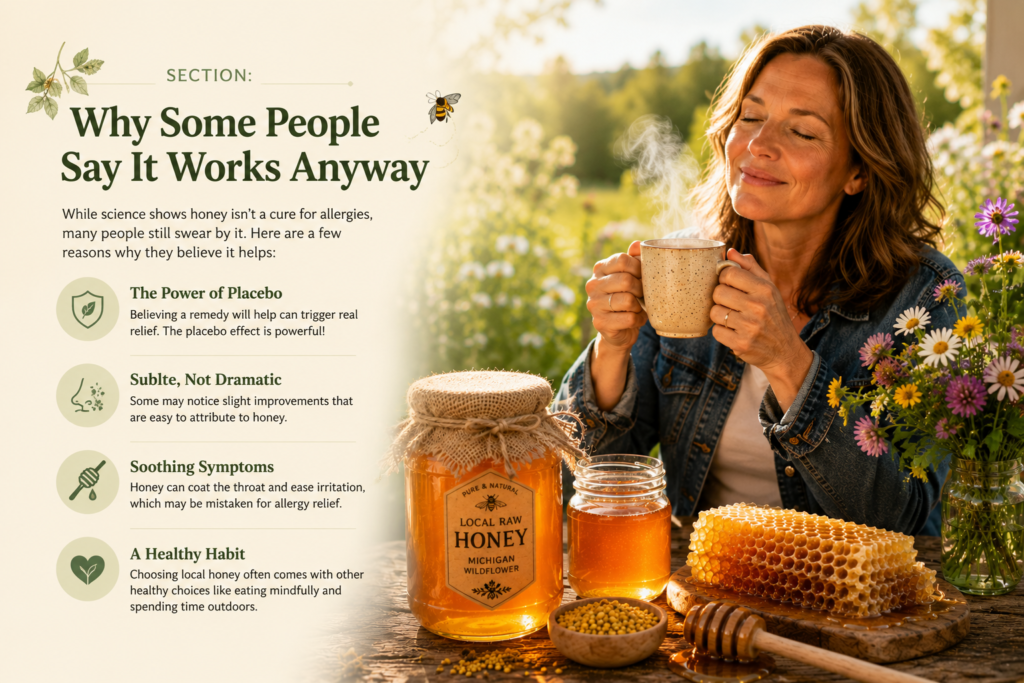
Even though clinical evidence remains limited, many people continue to report noticeable improvement after consuming local honey regularly.
There are several possible explanations.
Honey May Soothe Irritated Airways
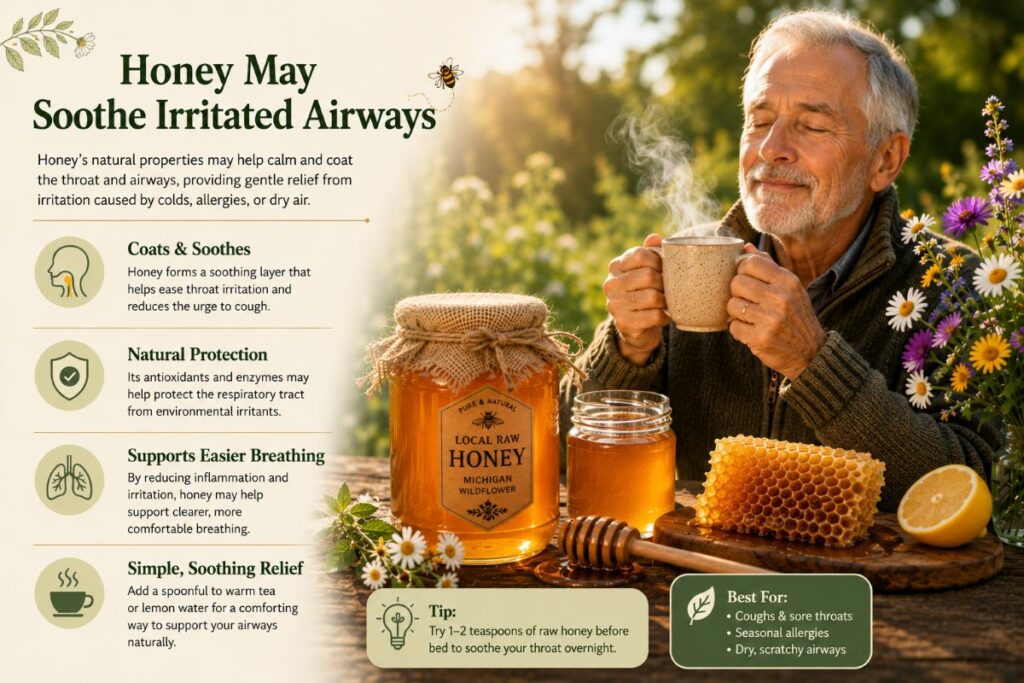
Honey has long been used to calm sore throats and coughing. Its thick texture can coat irritated tissues, which may temporarily reduce discomfort caused by postnasal drip or throat irritation during allergy season.
This soothing effect may lead some people to feel their allergy symptoms have improved overall.
Anti-Inflammatory Compounds Could Play a Role
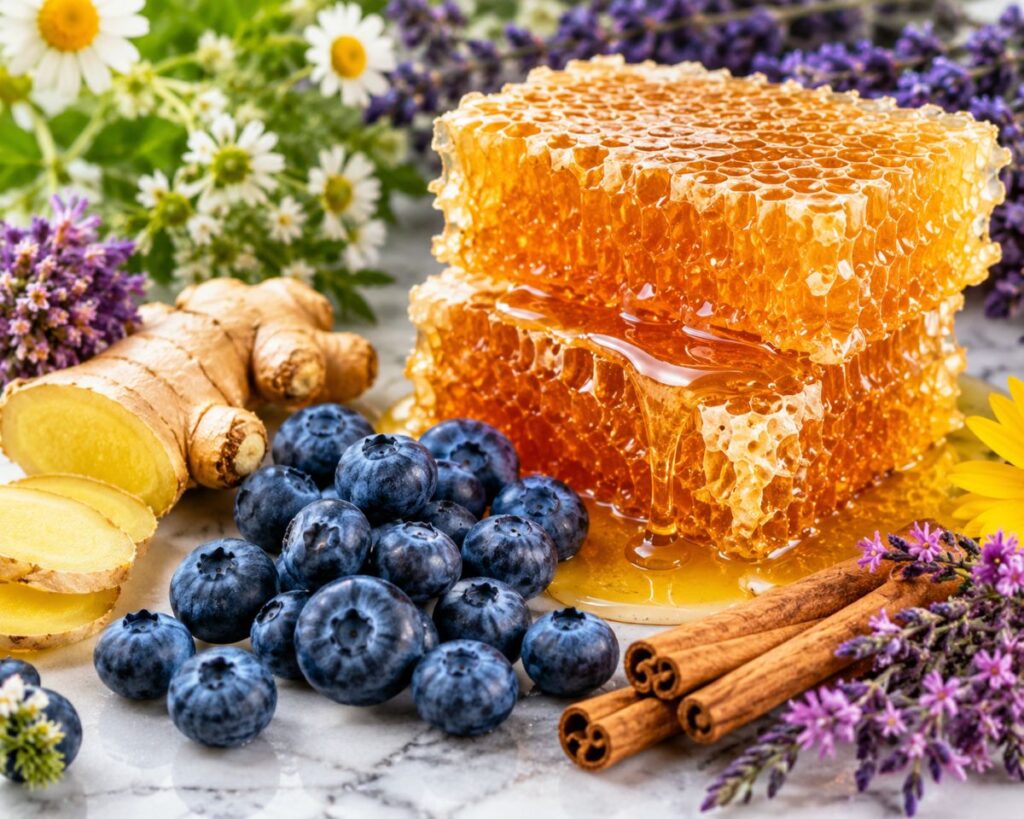
Raw honey contains natural antioxidants and plant compounds called flavonoids. Researchers continue studying whether these compounds help reduce inflammation in the body.
Inflammation plays a role in allergic reactions, particularly in nasal passages and airways.
While scientists have not confirmed that honey significantly changes allergy response, some researchers believe these compounds may contribute to mild symptom relief in certain individuals.
Placebo Effect May Also Matter
Doctors frequently note that expectations can influence how people perceive symptoms.
If someone strongly believes local honey helps them, they may become more aware of improvement and less focused on discomfort. That does not mean the relief is imaginary. It simply means the brain and immune system are complex and closely connected.
Other Lifestyle Changes Could Influence Results
People who buy raw local honey often also make broader health-conscious choices involving diet, outdoor activity, and processed food reduction.
Those lifestyle factors may contribute to improved overall wellness during allergy season.
Raw Honey vs. Processed Honey
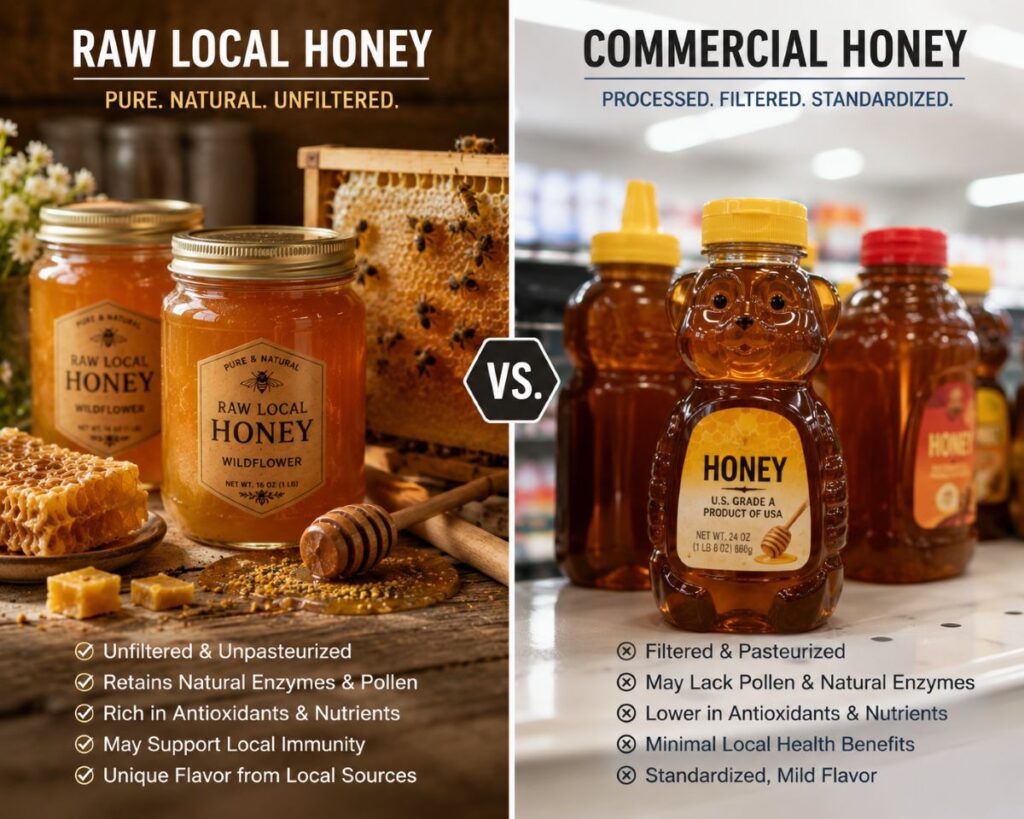
Supporters of the allergy remedy almost always recommend raw, unfiltered local honey rather than mass-produced supermarket honey.
Raw honey is minimally processed and may retain:
- pollen particles,
- enzymes,
- antioxidants,
- beeswax traces,
- and plant compounds removed during heavy filtration.
Commercial honey products are often pasteurized and filtered for consistency and shelf appearance.
Some honey sold in grocery stores may also contain blended honey from multiple regions or countries, which defeats the “local exposure” theory promoted by folk medicine supporters.
For readers interested in trying local honey, most beekeepers recommend:
- raw honey,
- minimally filtered honey,
- and honey harvested within the same geographic region where they live.
Michigan’s Strong Honey Tradition
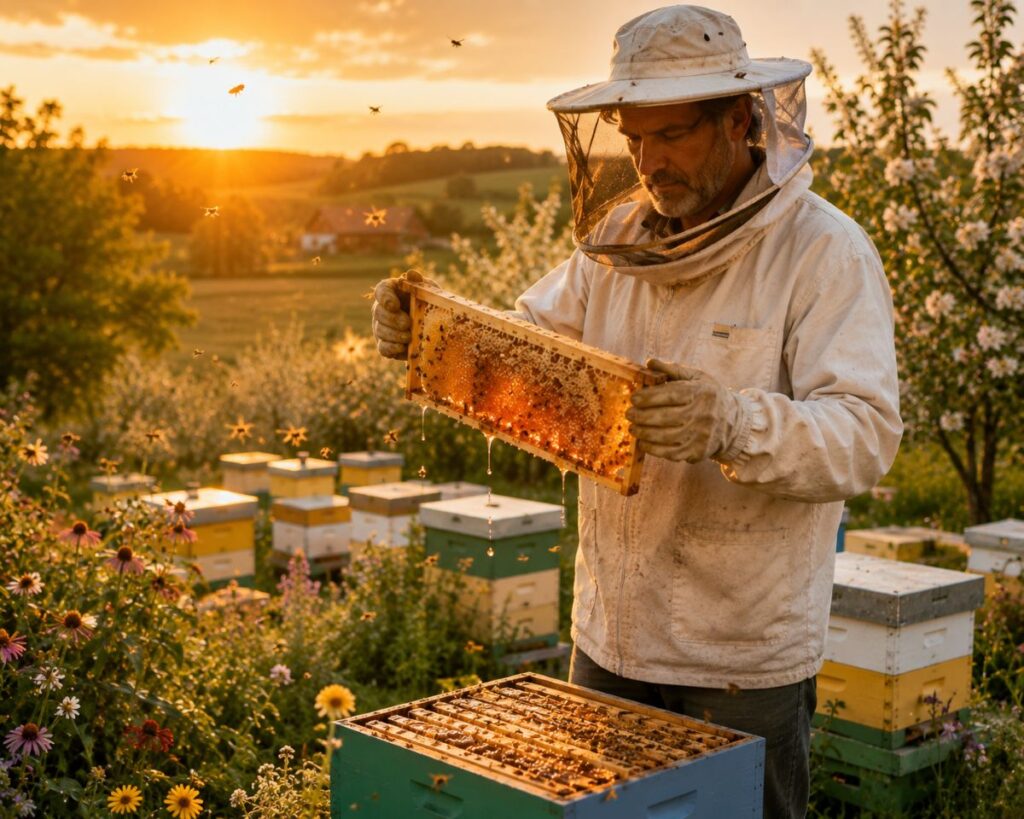
Michigan has a long history of beekeeping and honey production.
The state’s varied climate and agricultural regions support production of:
- clover honey,
- basswood honey,
- wildflower honey,
- buckwheat honey,
- and orchard pollination honey.
Farmers markets across the state often sell honey harvested within a few miles of surrounding communities. Many beekeepers report repeat customers who specifically purchase honey each spring for allergy season.
That local connection has helped strengthen the belief that regional honey carries unique health value tied to local plants and pollen patterns.
Some beekeepers avoid making direct medical claims, but many acknowledge hearing customer testimonials for years.
Other Health Claims Around Honey Continue to Grow

Beyond allergies, honey has become increasingly tied to discussions involving:
- gut health,
- immune support,
- sleep quality,
- antioxidants,
- and cognitive wellness.
Researchers continue studying whether honey’s natural compounds may offer broader health benefits. Some preliminary research involving memory and brain function has generated attention in recent years, particularly regarding oxidative stress and inflammation.
Still, scientists caution that many of those findings remain early-stage and should not be treated as proven medical outcomes.
For now, experts generally agree on one point:
Honey can be part of a healthy diet when consumed in moderation, but it should not replace medical treatment for serious allergies or chronic health conditions.
Important Safety Warnings
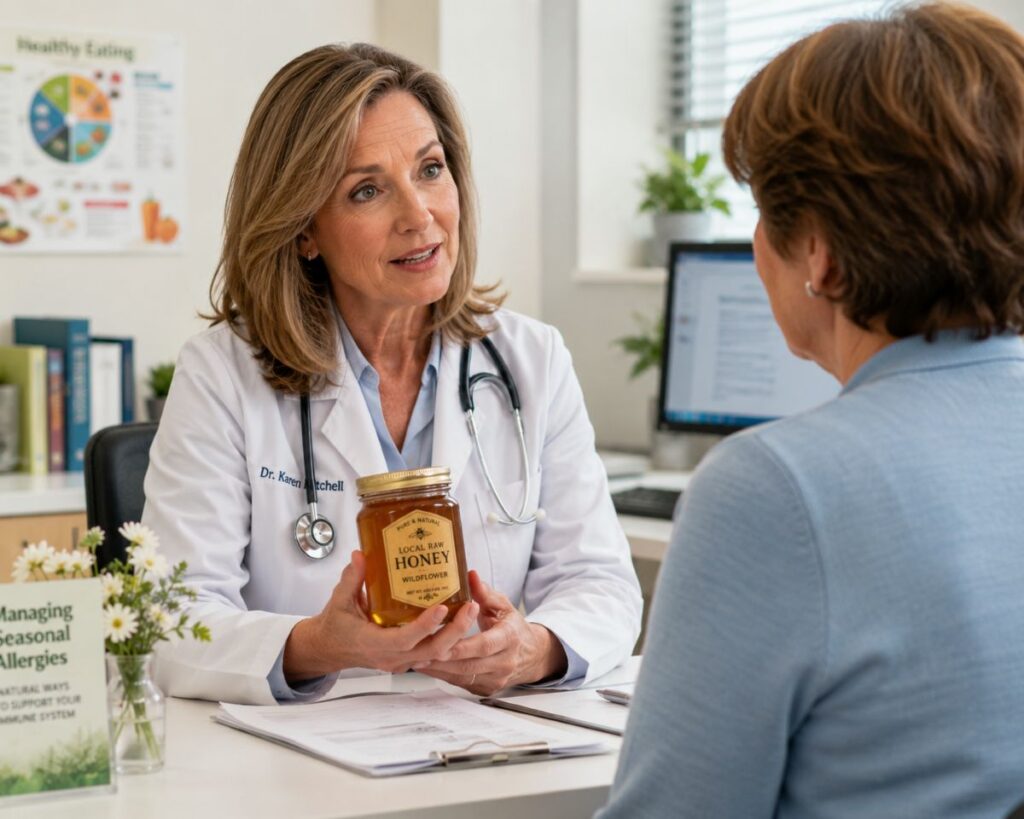
Doctors and public health agencies advise consumers to keep several important safety issues in mind.
Honey Should Never Be Given to Infants
Children under 1 year old should never consume honey because of the risk of infant botulism, a rare but potentially serious illness caused by bacterial spores.
People With Severe Allergies Should Use Caution
Raw honey may contain pollen and trace bee-related compounds that could trigger reactions in individuals with severe pollen or bee allergies.
Honey Is Still Sugar
Even natural honey contains high amounts of sugar and calories. People with diabetes or blood sugar concerns should speak with their doctor before consuming large amounts regularly.
The Bottom Line
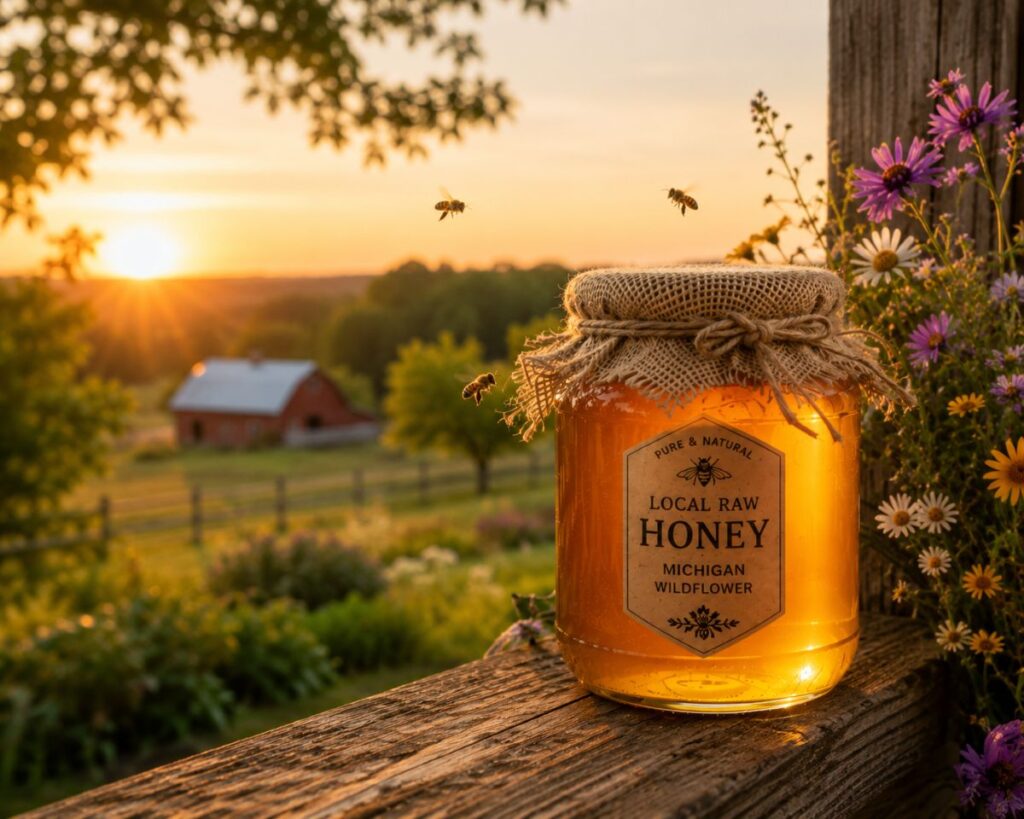
So, does local honey really help allergies?
Science has not fully confirmed the claim, but neither has it completely dismissed it.
Most allergy specialists say there is not enough strong evidence to prove local honey acts like a natural allergy vaccine. At the same time, honey does contain compounds that may soothe irritation and support overall wellness in modest ways.
That leaves local honey in an interesting place between folk medicine and modern science.
For many families, the tradition continues because they believe it helps. For researchers, the topic remains open enough to warrant continued study.
And for local beekeepers, spring allergy season will likely continue bringing customers looking for a spoonful of relief from the changing seasons.
Works Cited For Does Local Honey Really Help Allergies?
Is honey good for your allergies?
Honey may help soothe a cough or irritated throat, especially during a cold. It also has some medical uses in wound care when processed as medical-grade honey. But that is different from treating allergies.
What 8 foods are 90% of allergies?
The “Big 8” food allergens traditionally linked to about 90% of serious food allergy reactions are:
Milk
Eggs
Peanuts
Tree nuts — almonds, walnuts, cashews, pistachios, etc.
Wheat
Soy
Fish
Crustacean shellfish — shrimp, crab, lobster, etc.
One important update: In the U.S., sesame is now the ninth major food allergen for labeling purposes. The current “Big 9” are milk, eggs, fish, shellfish, tree nuts, peanuts, wheat, soybeans and sesame.
How much honey does it take to help with allergies?
There is no medically recommended amount of honey that reliably helps seasonal allergies. Research has not consistently shown that eating honey eases hay fever or allergic rhinitis symptoms. Mayo Clinic says studies have not found that taking honey, or using it as a nasal spray, eases seasonal allergy symptoms.
A small study did report improvement when people took a high dose of honey along with loratadine, an allergy medicine, but that is not strong enough evidence to make honey a standard allergy treatment.
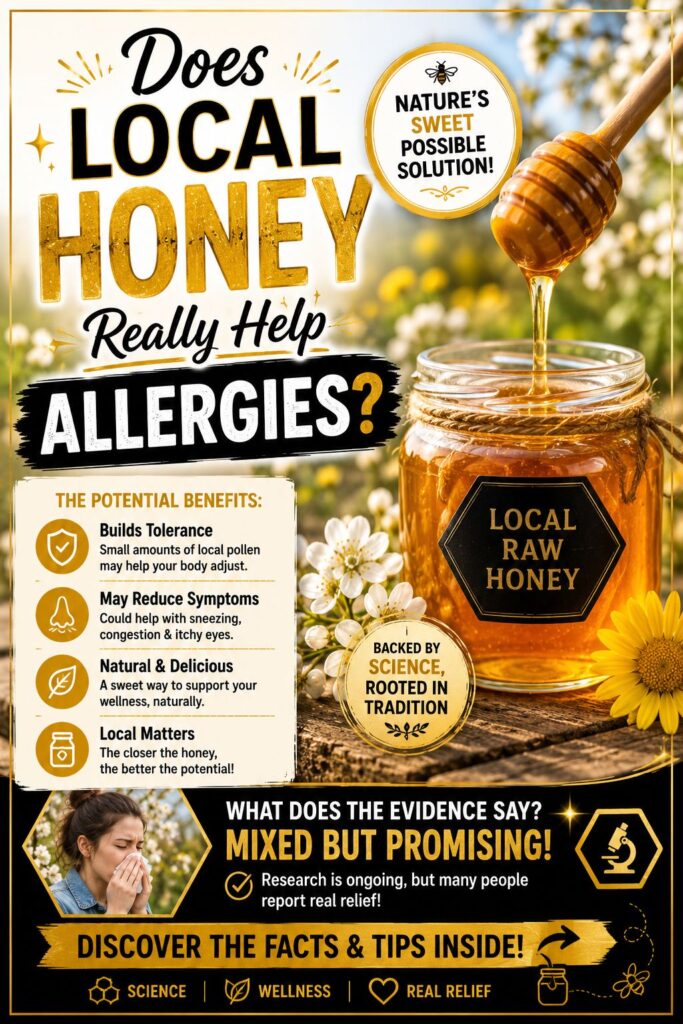




One thought on “Does Local Honey Really Help Allergies? It’s Amazing What Science and Folk Medicine Say”
Comments are closed.