

 by
by For many older Americans, the daily spoonful of honey is more than a sweet treat.
It is part of a routine.
Some stir it into morning tea before reading the newspaper. Others drizzle it over toast at breakfast or mix it into warm milk before bed. At farmers markets and roadside stands across the country, retirees often ask for raw local honey specifically because they believe it helps them stay mentally sharp. Can using honey to improve memory really help?
They describe it in simple terms.
“It clears the fog.”
“My mind feels steadier.”
“I can focus better.”
The claims are difficult to measure scientifically, but they have become increasingly common as conversations about aging, memory, and cognitive health move into the mainstream.
Researchers say there is no proof that local honey cures dementia, reverses memory loss, or acts as a miracle brain supplement. But scientists are studying several properties found in raw honey that may help explain why many older adults continue to swear by it.
That intersection between folk wisdom and modern nutrition science has made honey one of the most talked-about natural wellness foods among aging Americans.
The Growing Conversation Around Brain Fog

Brain fog is not an official medical diagnosis, but doctors recognize the symptoms immediately.
People experiencing brain fog often report:
- forgetfulness,
- poor concentration,
- mental fatigue,
- sluggish thinking,
- trouble finding words,
- and difficulty staying focused.
The condition can be tied to:
- poor sleep,
- stress,
- medication side effects,
- inflammation,
- illness,
- blood sugar swings,
- anxiety,
- hormonal changes,
- and aging itself.
For older adults, mild cognitive sluggishness can become frustrating even when it does not signal serious disease.
Many retirees describe the feeling as being mentally “off” or less sharp than they were years earlier.
That has helped fuel interest in foods believed to support better brain health naturally.
Why Honey Became a Traditional Wellness Remedy

Honey has been used in traditional medicine for thousands of years.
Ancient civilizations used it for wound treatment, digestion, respiratory illness, and energy support. In rural America, honey became a staple in home remedies long before pharmacies and over-the-counter medications became common.
For many older Americans, honey still represents something trustworthy and familiar.
It is associated with:
- local farms,
- beekeepers,
- natural food,
- and older styles of eating that existed before heavily processed diets became widespread.
That nostalgia matters.
Many people who consume raw honey regularly also associate it with a slower, healthier lifestyle centered around homemade meals, tea, gardening, and fresh food from local producers.
In many communities, local honey still carries the reputation of being “real food” rather than a manufactured health product.
What Makes Honey Different From Regular Sugar?
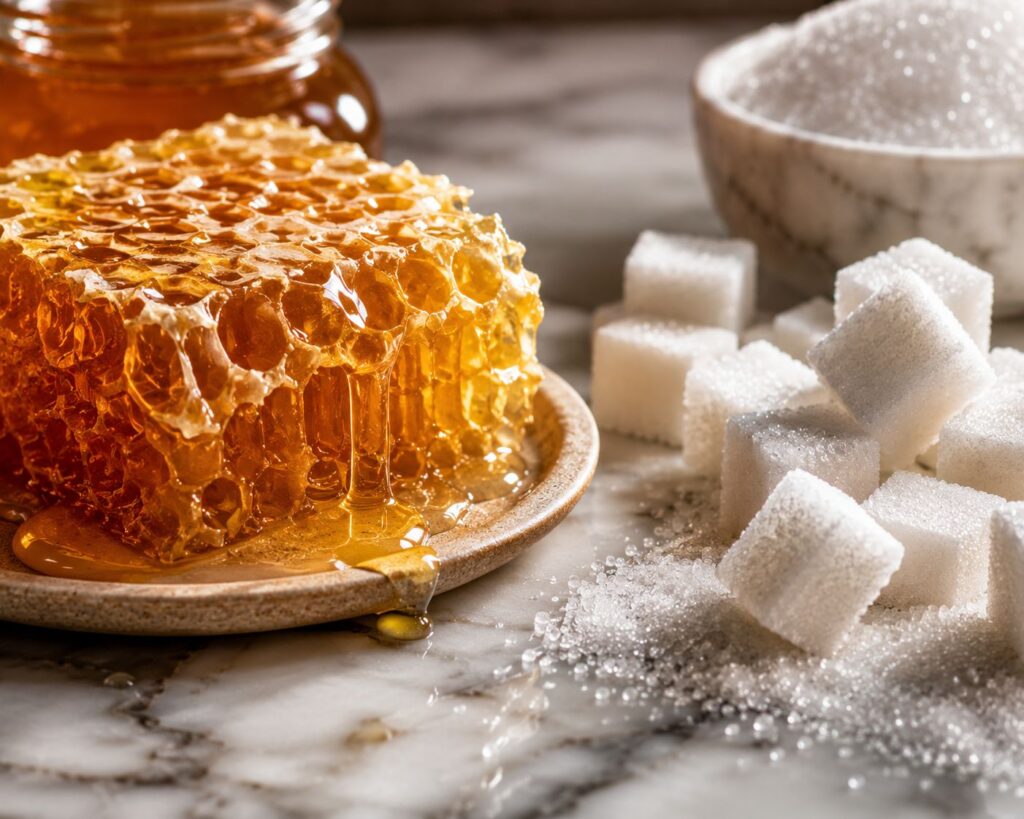
Scientists say honey is far more chemically complex than ordinary white sugar.
Raw honey contains:
- fructose and glucose,
- amino acids,
- enzymes,
- antioxidants,
- polyphenols,
- flavonoids,
- trace minerals,
- and plant compounds gathered from flowers.
Researchers have become particularly interested in honey’s antioxidant activity.
Antioxidants help neutralize unstable molecules called free radicals that contribute to oxidative stress. Scientists believe oxidative stress may play a role in aging and cognitive decline over time.
Certain darker honeys, including buckwheat honey, contain especially high antioxidant levels compared to refined sweeteners.
That does not make honey a medical treatment, but it does separate it nutritionally from heavily processed sugars.
Why Researchers Are Studying Honey to Improve Memory and Brain Health

Interest in honey’s possible neurological effects has grown in recent years.
Several animal and laboratory studies suggest compounds found in honey may help:
- reduce inflammation,
- protect nerve cells,
- support circulation,
- and reduce oxidative stress in the brain.
Some researchers have also examined whether honey’s polyphenols influence memory-related pathways.
A growing number of nutrition studies now focus on the relationship between inflammation, diet, and cognitive performance.
Scientists increasingly believe long-term dietary habits may influence:
- mental clarity,
- focus,
- mood,
- and healthy brain aging.
Still, researchers caution that the evidence involving honey remains preliminary.
Most of the stronger findings come from:
- animal studies,
- laboratory research,
- or small human studies.
There is currently no large-scale clinical evidence proving local honey improves memory or prevents Alzheimer’s disease.
That distinction is important because social media often exaggerates early research into dramatic health claims.
Why Many Older Adults Say Honey Helps Them Feel Sharper

Even without definitive medical proof, many older Americans insist they notice benefits from eating honey regularly.
Researchers say several practical explanations may exist.
Steadier Energy
The brain requires a tremendous amount of energy throughout the day.
Honey contains natural carbohydrates that provide relatively fast fuel. Some people report fewer energy crashes when replacing highly processed snacks or sugary desserts with moderate amounts of raw honey.
That steadier energy may help reduce feelings of mental sluggishness.
Better Sleep May Play a Role
Many older adults consume honey at night in tea or warm milk.
Some researchers believe small amounts of honey may help support more stable overnight energy levels, potentially improving sleep quality in certain individuals.
Since poor sleep is strongly tied to brain fog, even modest sleep improvements can affect concentration and mental clarity the next day.
Reduced Processed Food Consumption
In many cases, honey becomes part of a larger lifestyle change.
Someone who begins buying raw local honey may also:
- eat fewer processed foods,
- reduce soda consumption,
- cook more meals at home,
- and consume more antioxidant-rich foods overall.
Those broader changes may influence energy and focus as much as honey itself.
The Psychological Effect of Routine
There is also the comfort factor.
Simple daily routines involving tea, breakfast, and familiar foods can reduce stress and create a sense of stability. Mental wellness and cognitive performance are closely connected.
Researchers say expectations and emotional comfort can influence how people perceive energy and focus.
Raw Local Honey vs. Store-Bought Honey
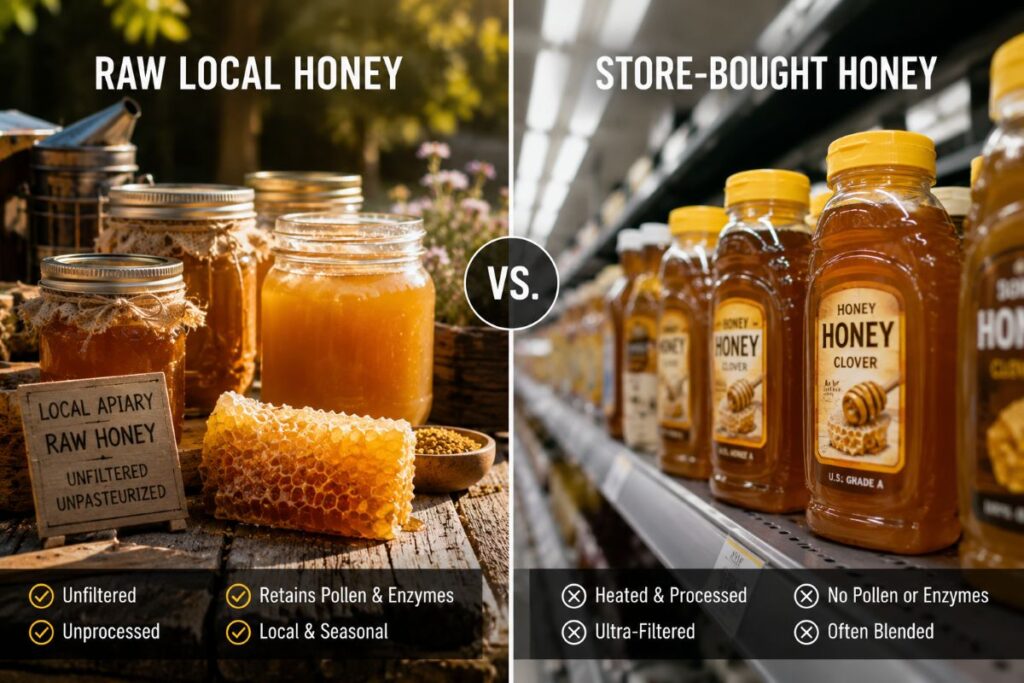
Supporters of honey’s wellness benefits almost always recommend raw local honey rather than mass-produced commercial brands.
Raw honey is minimally filtered and may retain:
- pollen particles,
- enzymes,
- beeswax traces,
- and natural compounds removed during heavy processing.
Commercial honey products are often heated and ultra-filtered for appearance and shelf stability.
Some imported supermarket honey products may also contain blended honey from multiple countries.
Many beekeepers argue that fresh local honey preserves more of the compounds people associate with wellness benefits, though researchers say more direct comparisons are needed.
What Doctors and Nutrition Experts Say
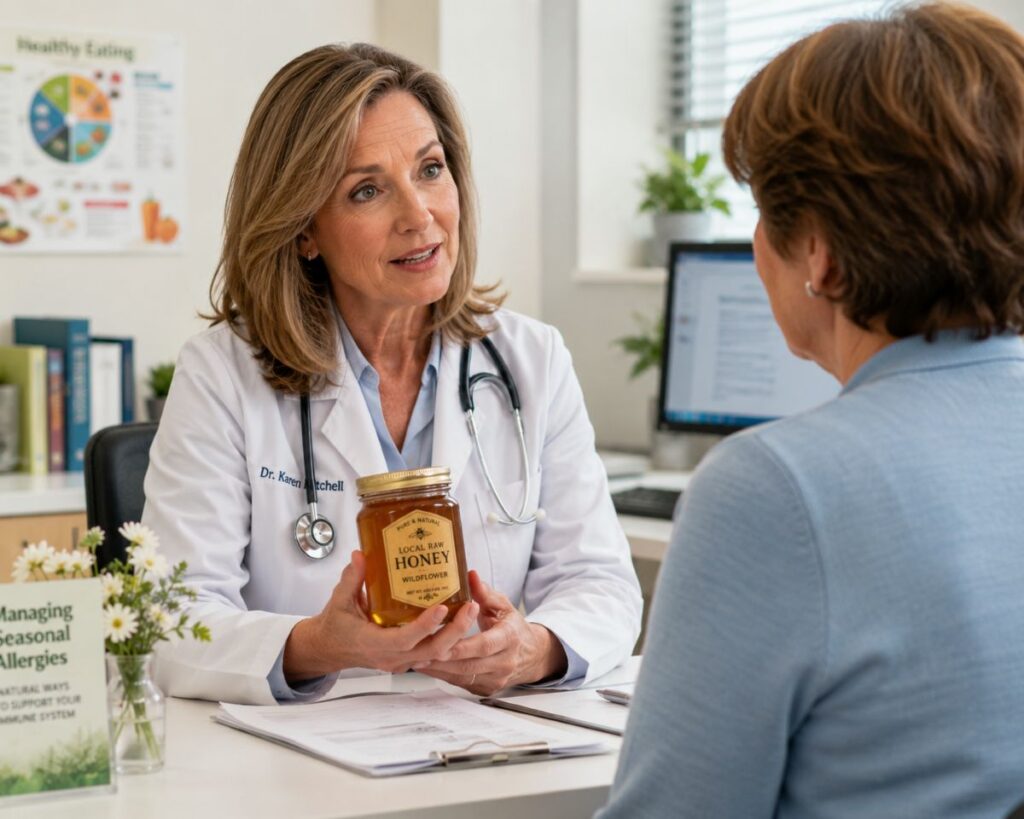
Most doctors and registered dietitians take a measured position on honey.
Many agree that honey can be part of a healthy diet when used moderately. Some nutrition experts also acknowledge that replacing heavily processed sugars with small amounts of raw honey may offer certain nutritional advantages.
But medical professionals consistently warn against exaggerated claims.
Doctors stress:
- honey is still sugar,
- it is not a cure for cognitive decline,
- and it should never replace medical care for serious neurological symptoms.
Experts also caution that persistent memory loss, confusion, or worsening cognitive problems require proper medical evaluation.
Important Safety Considerations

Health experts recommend several precautions before adding large amounts of honey to a diet.
Honey Should Never Be Given to Infants
Children younger than 1 year old should never consume honey because of the risk of infant botulism.
People With Diabetes Should Use Caution
Honey still raises blood sugar and should be consumed carefully by people with diabetes or insulin resistance.
Severe Brain Fog Can Signal Medical Problems
Persistent cognitive symptoms may be linked to:
- sleep apnea,
- thyroid disorders,
- medication interactions,
- vitamin deficiencies,
- depression,
- or neurological disease.
Doctors recommend medical evaluation if symptoms become severe or worsen over time.
Why the Honey Tradition Continues
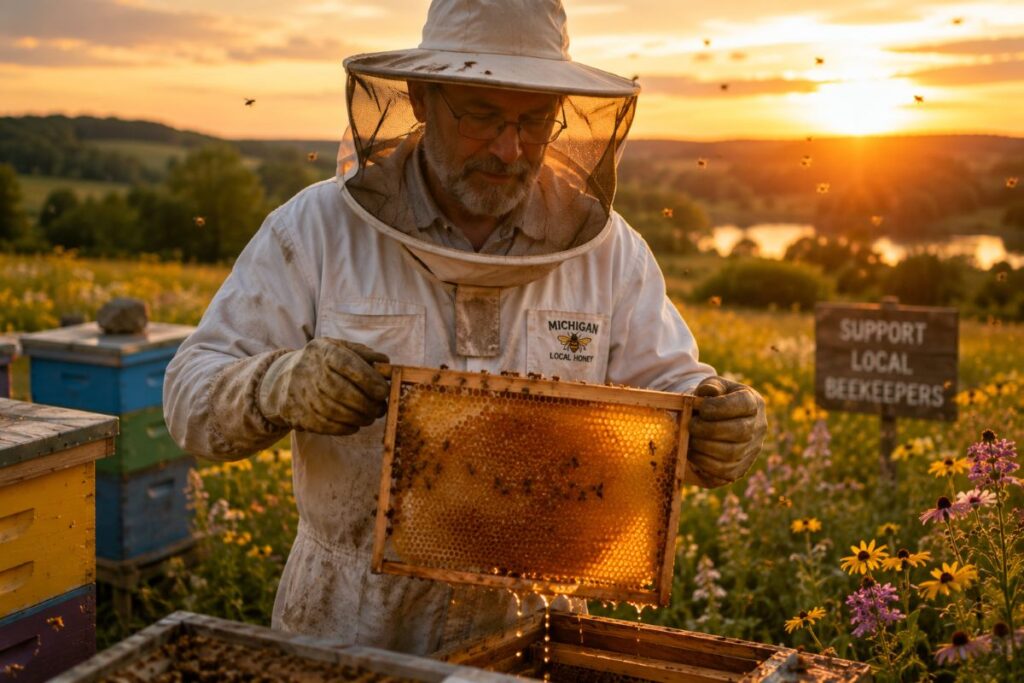
For many older Americans, local honey represents more than nutrition science.
It reflects trust in local food, traditional routines, and simpler forms of wellness that existed long before social media health trends and expensive supplements.
Science has not proven that honey is a miracle solution for memory or brain fog.
But researchers increasingly recognize that:
- inflammation,
- nutrition,
- sleep quality,
- blood sugar stability,
- and overall diet
all influence how the brain functions as people age.
That keeps honey in a fascinating middle ground between folk medicine and modern research.
And for thousands of older Americans who begin each morning with tea and a spoonful of local honey, that tradition remains strong because they believe it helps them feel just a little more focused, clear-headed, and connected to healthier habits from earlier generations.
Works Cited
Asha’ari, Zamzil Amin, et al. “Ingestion of Honey Improves the Symptoms of Allergic Rhinitis.” Annals of Saudi Medicine, vol. 33, no. 5, 2013, pp. 469–475. https://pmc.ncbi.nlm.nih.gov/articles/PMC6074882/
Cianciosi, Danila, et al. “Phenolic Compounds in Honey and Their Associated Health Benefits.” Molecules, vol. 23, no. 9, 2018.
Mayo Clinic Staff. “Honey.” Mayo Clinic. https://www.mayoclinic.org/drugs-supplements-honey/art-20363819
Ranneh, Yazan, et al. “Honey and Its Nutritional and Anti-Inflammatory Value.” Antioxidants, vol. 12, no. 2, 2023. https://www.mdpi.com/2076-3921/12/2/427
Vallianou, Natalia G., et al. “Understanding the Role of Oxidative Stress and Inflammation in Cognitive Decline.” Healthcare, vol. 8, no. 2, 2020.
Yong, Pei Yuin Aw, et al. “The Potential Use of Honey as a Remedy for Allergic Diseases: A Mini Review.” Frontiers in Pharmacology, vol. 11, 2021.